

How to Bleed a Radiator: Homeowners Guide
How to Bleed a Radiator: A Step-by-Step Guide for Homeowners
If your radiators are not heating evenly, feel cold at the top, or make gurgling noises, it could be a sign that there is trapped air in the system. Learning how to bleed a radiator is a simple and effective way to fix these common problems and improve the warmth and efficiency of your home. Many homeowners can complete this task themselves in just a few minutes with minimal tools.
Bleeding a radiator helps restore proper heat circulation, ensures all rooms warm evenly, and reduces strain on your boiler, saving energy and lowering bills over time.
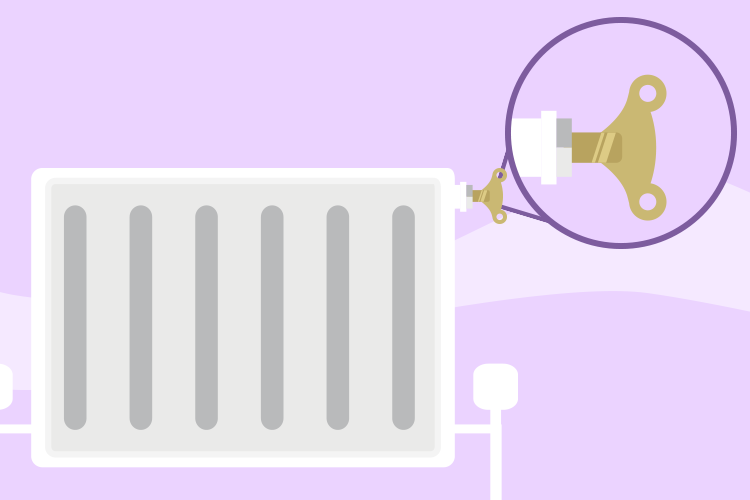
What does it mean to bleed a radiator?
To bleed a radiator means releasing trapped air from inside the unit. Over time, air can accumulate at the top of radiators, preventing hot water from flowing properly. This leads to cold spots and reduces heating efficiency. By bleeding a radiator, you allow hot water to fill the entire radiator, restoring full heat output.
This simple process can make a significant difference, especially in older systems or during the colder months when your heating is in regular use.
Signs you need to bleed a radiator
Not all heating issues require bleeding, but certain signs suggest it may be necessary. You may need to bleed a radiator if:
- The radiator feels cold at the top but warm at the bottom
- It makes gurgling or bubbling noises when the heating is on
- Some rooms take longer to heat up than others
- Your home still feels chilly even when the heating is on
Regularly checking your radiators and addressing these issues early can improve comfort and prevent further problems with your heating system.
What you need before you start
Before you begin, gather the following items to make the process smooth and mess-free:
- A radiator key (or flat-head screwdriver if your valve requires it)
- A cloth or towel to catch drips
- A small container to collect any water released during bleeding
It is also a good idea to check your boiler pressure before you bleed a radiator. Releasing trapped air can sometimes lower system pressure, which may need topping up afterwards.
Step-by-step guide to bleed a radiator
Follow these steps to bleed a radiator safely and effectively:
- Turn off your heating and allow radiators to cool completely to avoid burns
- Place a cloth and container under the bleed valve
- Insert the radiator key and slowly turn it anti clockwise
- Listen for a hissing sound as air escapes
- Once water starts flowing steadily, close the valve by turning it clockwise
- Wipe away any water drips and move to the next radiator
Start with the radiator closest to the boiler and work your way around the house. Open valves slowly and carefully to avoid spills. This process helps your system return to optimal heating performance.
Check your boiler pressure
After you bleed a radiator, check the boiler pressure gauge. Most systems should be between 1 and 1.5 bar when cold. If the pressure drops too low, top it up using the filling loop according to your boiler instructions. Maintaining correct pressure ensures your system continues to run efficiently.
When bleeding a radiator is not enough
Sometimes, bleeding alone may not fully solve heating problems. If the bottom of the radiator remains cold, the issue may be sludge or limescale buildup. Other indicators that your system needs more than just bleeding include:
- Radiators that never fully heat up
- Repeated need to bleed a radiator
- Dirty or dark water coming from the valve
- Frequent boiler pressure loss or unusual noises
In these situations, it may be necessary to have the system balanced, flushed, or inspected by a professional heating engineer to restore full efficiency.
How often should you bleed radiators?
Most homes only need to bleed a radiator once or twice a year, typically before the winter season when the heating is used most. Regular maintenance can prevent cold spots and keep your heating system running smoothly.
If you find yourself needing to bleed a radiator more often, it could indicate a leak, corrosion, or other system problems that require professional attention.
Final thoughts
Knowing how to bleed a radiator is a simple but effective way to improve home comfort, save energy, and prevent unnecessary strain on your boiler. It is a small task that can make a big difference, especially during the colder months.
If you are unsure or notice that bleeding does not fix the issue, a qualified heating engineer can help diagnose and resolve underlying problems, ensuring your home stays warm and efficient all year round.
Get in touch with our expert team to help resolve any heating issues or installations you could be looking for